
Calligraphy is more than just beautiful writing—it’s a peaceful, artistic skill that allows you to express creativity with every stroke.
But if you’re new to pen and ink, you might feel overwhelmed. How do you hold the pen? How much ink should you dip? Why does the ink splatter? Why are the lines uneven?
You’re not alone. Most beginners face these exact problems.
That’s why we created this simple, human-friendly guide to help you learn how to use a calligraphy pen and ink correctly, avoid common mistakes, and start creating elegant lettering with confidence.
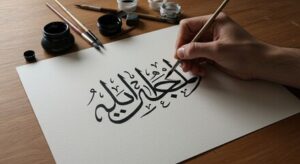
Common Problems Beginners Face (And How We Solve Them)
Problem 1: Ink Blotting and Messy Lines
New learners often dip too much ink, causing messy letters and smudges.
Solution:
Dip only the tip of the nib (about 2–3 mm). Wipe excess ink on the bottle’s edge, then test strokes on scrap paper.
Problem 2: Uneven Lines and Wobbly Strokes
This usually happens when the pen is held incorrectly or pressure is not balanced.
Solution:
Hold the pen at a 45–55° angle, apply more pressure on downward strokes, and lighten pressure on upward strokes.
Problem 3: Ink Not Flowing Smoothly
Your nib may not be prepped, or paper might be too absorbent.
Solution:
Before using a new nib, wash it gently with warm water or wipe with alcohol to remove factory oil.
Use smooth, calligraphy-friendly paper like Bristol, Rhodia, or marker pads.
How to Use a Calligraphy Pen and Ink (Step-by-Step Guide)
1. Gather Your Tools
To start, you’ll need:
- Dip pen holder
- Calligraphy nib (G nibs or pointed nibs for beginners)
- Bottle of calligraphy ink
- Smooth non-bleed paper
- Soft cloth or tissue
- Small container of water (for cleaning)
These are simple materials, but knowing how to use them properly makes all the difference.
2. Insert the Nib Correctly
Many beginners struggle at this step.
Slide the nib into the pen holder’s metal prongs until it’s tight and secure. Make sure the nib faces upward (the split should be on top).
A poorly inserted nib leads to ink leaks and uneven writing—so this step matters!
3. Dip the Nib the Right Way
This is where most mistakes happen.
How to dip your nib properly:
- Dip only the front tip into the ink
- Ensure the small reservoir is filled
- Let excess ink drip back into the bottle
- Test a few strokes before writing your final work
Avoid:
Dipping the nib too deeply—it will flood and ruin your paper.
4. Hold the Pen at the Correct Angle
The secret to elegant calligraphy is consistency in your pen angle.
- Keep a 45–55° angle
- Relax your fingers
- Let your arm, not your wrist, guide your strokes
This angle ensures smooth ink flow and consistent thick–thin strokes.
5. Learn the Basic Calligraphy Strokes
Before writing letters, practice fundamental strokes such as:
- Upstroke (thin line)
- Downstroke (thick line)
- Overturn
- Underturn
- Oval shape
- Compound curve
These shapes form the foundation of most calligraphy alphabets—mastering them solves 80% of beginner mistakes.
6. Understand Stroke Pressure
Calligraphy relies on controlled pressure:
- Downward strokes: heavy pressure → thick lines
- Upward strokes: light pressure → thin lines
Practice switching pressure smoothly. This transforms your writing from plain to artistic.
7. Write Your First Letters
Start with a basic alphabet like “Modern Calligraphy.”
Practice lowercase letters first—they’re easier to master.
Work in this order:
- Basic strokes
- Lowercase alphabet
- Connecting letters
- Words
- Flourishes
8. Clean Your Nib Often
Ink can dry quickly on your nib and block the flow.
Clean your nib when:
- Ink stops flowing
- Strokes become scratchy
- You see clumps of dried ink
Use water and wipe gently—never bend the nib.
9. Choose the Right Paper (Important!)
Cheap or rough paper makes ink bleed and ruin your work.
Best papers for calligraphy:
- Rhodia Dot Pad
- Bristol board
- HP Premium LaserJet paper (affordable option)
Using the right paper instantly improves your results.
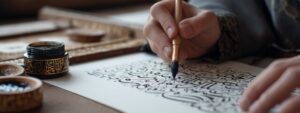
How to Use Different Types of Calligraphy Pens
Not all calligraphy pens work the same. Here’s a quick guide:
1. Dip Pens
- Best for artistic and traditional calligraphy
- Requires manual dipping
- Offers beautiful line variation
Perfect for: Modern calligraphy, copperplate, Spencerian.
2. Brush Pens
- Flexible tip
- No dipping needed
- Easy for beginners
Perfect for: Brush lettering, modern styles, hand-lettered crafts.
3. Fountain Calligraphy Pens
- Comes with ink cartridges
- Cleaner and more convenient
- Great for everyday practice
Perfect for: Beginners, learning letterforms, and daily journaling.
Child Topic Add-On: How to Refill and Store Your Calligraphy Ink
Refilling ink safely:
- Shake the bottle gently (not aggressively)
- Always refill away from your final artwork
- Use a dropper to add ink to refillable fountain pens
Storing your ink:
- Keep bottles tightly sealed
- Avoid direct sunlight
- Store nibs dry to prevent rust
Proper storage increases the lifespan of your tools.
Advanced Tips to Improve Your Calligraphy Faster
✔ Warm up with basic strokes before every session
✔ Keep your wrist steady and move your whole arm
✔ Practice slowly—speed comes later
✔ Use guidelines to keep your letters aligned
✔ Don’t overload ink; consistency is key
These habits will help you grow from beginner to confident professional calligraphy Artist.
Conclusion: You Can Master Calligraphy—One Stroke at a Time
Using a calligraphy pen and ink may feel challenging at first, but with the right technique and consistent practice, anyone can master it.
We hope this guide solves your major problems—ink blotting, uneven strokes, wrong angles—and gives you a clear, simple way to begin your calligraphy journey.
Keep practicing, stay patient, and enjoy the artistic process!
Ready to start your calligraphy journey?
Explore our premium calligraphy pens, nibs, and inks at CalliDubai.
Bring elegance, art, and creativity to every stroke—shop now and create beautifully!
FAQs
1. How do beginners use a calligraphy pen and ink?
Start by inserting the nib correctly, dipping only the tip, holding the pen at a 45° angle, and practicing basic strokes before writing letters.
2. How much ink should I dip on a calligraphy nib?
Only 2–3 mm of the nib should be dipped—just enough to fill the reservoir.
3. Why is my calligraphy ink not flowing smoothly?
Your nib may have factory oil, dried ink, or an incorrect angle. Clean the nib and maintain a proper writing angle.
4. What paper is best for calligraphy ink?
Smooth, non-absorbent papers like Rhodia, Bristol, or premium laser paper.
5. Can I use fountain pen ink for calligraphy?
Not always. Many fountain pen inks are too watery. Use inks labeled for calligraphy or dip pens.